

Today , World Patient Safety Day, we must confront a harsh truth: systemic failures in medicine are not past history. They are ongoing. And when safety fails, it is innocent lives, pregnant women, children, families, who bear the lasting, often irreversible cost.

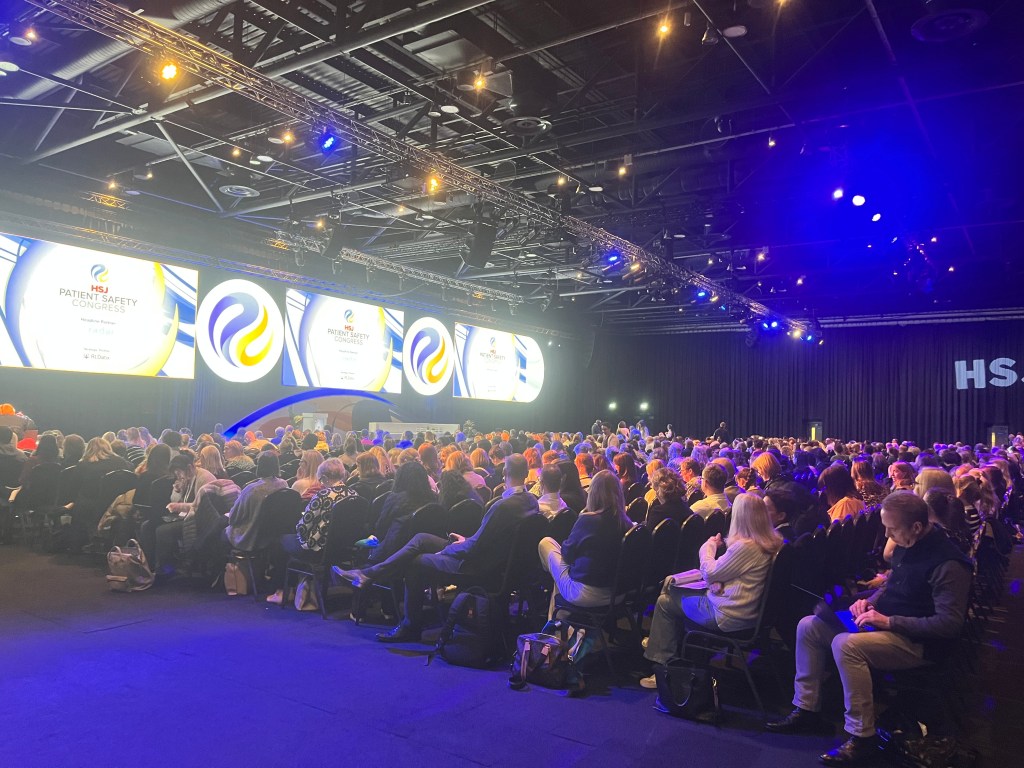
Over the past two days we have been honoured to attend the Health Service Journal’s Patient Safety Congress , the UK’s leading Patient Safety Forum. HSJ get it absolutely right. They bring together policymakers and professionals, but crucially they also give voice to those who have been harmed, bereaved, those using grief and trauma to demand change. The most amazing people who through tragedy, never wanted or expected to be in this realm of campaigning, but like us here , want real change and safety, because it matters and saves lives. HSJ provide a platform for ideas rooted in lived experience. Wouldn’t it be something if these very people , those with the deepest insight into what goes wrong – were in charge of designing safety systems, instead of civil servants who too often treat safety as a checklist rather than a moral imperative?

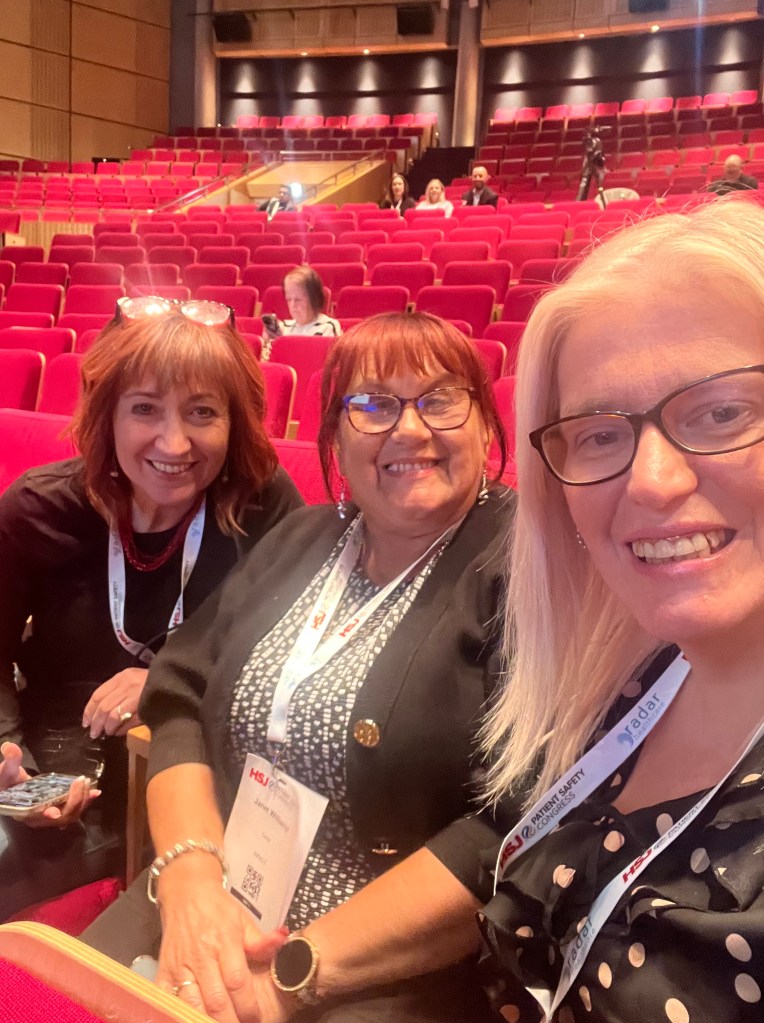
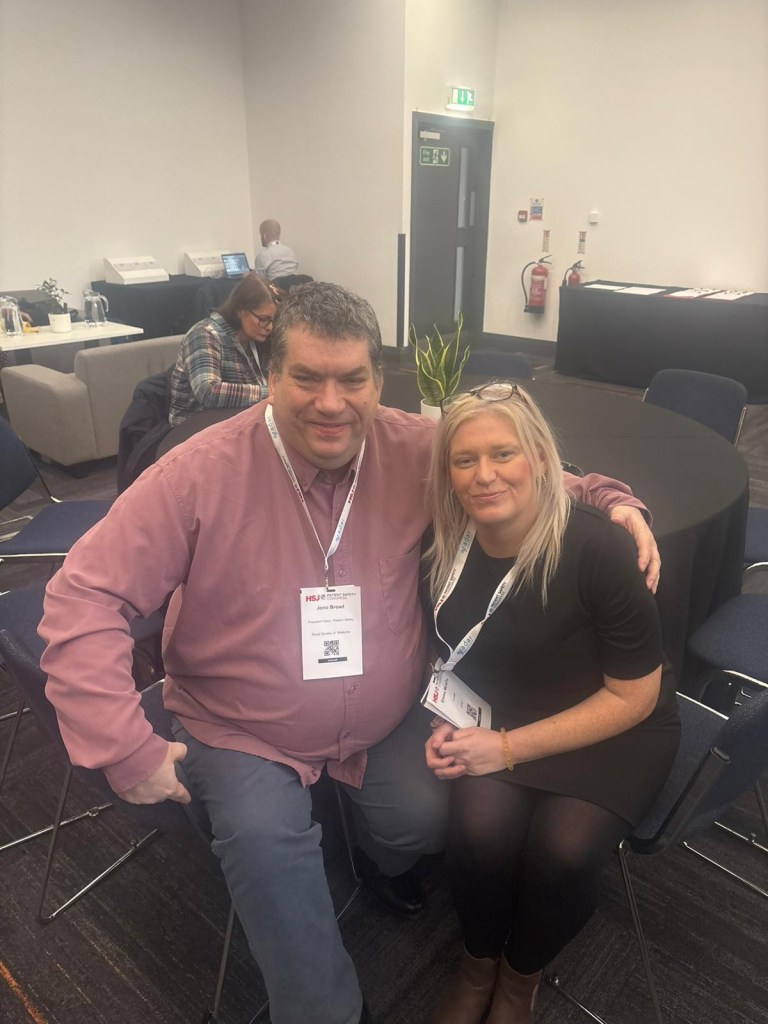

As the leading voices and recognised Valproate Campaign, Emma was invited to speak on a panel at the Conference titled “What Happens When Safety Fails?” and chaired by Sunday Times Health Editor Shaun Lintern. She was joined on the panel by Kath Sanson (Sling the Mesh Campaign) Dr Sonia McCloud (Oxford University), Charlotte Harpin(Browne Jacobson) and Dr Shruthi Narayan (NHS Blood and Transfusion) We reflected on the Valproate scandal, mesh, and the routes of clinical negligence etc.


The Ongoing Price of Harm
We hear time and again that “we must learn the lessons”. As campaigners it is something we hate hearing and often roll our eyes at. Reviews, inquiries, committees, action plans are all put in place. But the harm continues. Because learning alone is not enough without accountability, investment, and system-wide willingness to change.
A striking example of the cost , both human and financial , of patient safety failing:
- In 2024–25, the NHS paid £3.1 billion in clinical negligence compensation and legal costs (Clinical Services Journal).
- The estimated annual cost of harm , the wider cost of incidents that should never happen , is £4.9 billion (Law Gazette).
- Liabilities for future negligence claims now exceed £60 billion (Medscape).
These figures are not just numbers. They represent money diverted from safe staffing, from continuity of care, from services that protect women and babies.
Yet despite these astronomical figures, compensation for families affected by Valproate remains unresolved. Two Government-backed inquiries :
the IMMDS Report and, most importantly, the Hughes Report
recommend proper compensation and interim payments for children harmed by Valproate. These children and adults face lifelong barriers: loss of earnings, lack of opportunities, complex care needs, inaccessible housing, health costs, and the emotional toll on parents who must often give up work to provide full-time care.
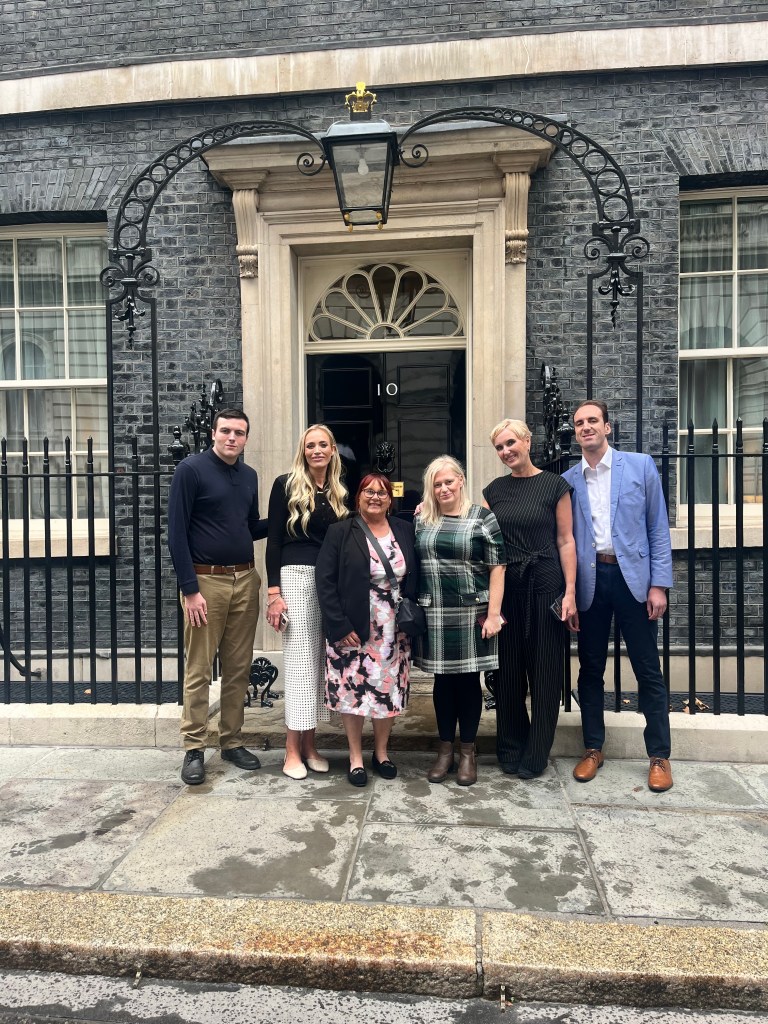
Bureaucracy stands in the way. Just last week, we travelled to No.10 Downing Street with two disabled adults harmed by Valproate to hand-deliver a letter to the Prime Minister to highlight that 5 years since The Cumberlege Review, and 18 months since the Hughes report published, we are still waiting. for the recommendations to be meaningfully answered. The standard Government response, “We are working at pace and will respond soon,” is simply not good enough. If patient safety truly mattered to those in power, they would act decisively instead of compounding trauma of already-harmed families.
Medical Misogyny: A Persistent Force
Across almost every major healthcare scandal reported in the media, a common thread emerges: medical misogyny – the systematic dismissal, minimisation, gaslighting or outright denial of women’s concerns. For decades, mothers who questioned the safety of medicines or raised alarms about unusual symptoms were told their worries were unfounded or reassured that “the benefits outweigh the risks.” Their lived experience was rarely treated as credible evidence.
The Valproate scandal is one of the clearest examples. Warnings about the dangers of Sodium Valproate in pregnancy were available for years, yet regulators and policymakers delayed action. Women were left unprotected because their voices were not considered data worthy of response. Only through relentless, patient-led campaigning, powered by mothers and carers fighting for their children ,did the system finally begin to acknowledge and address the harm.
This pattern extends far beyond Valproate. The devastating maternity scandals in Shrewsbury, Telford, Nottingham, and elsewhere tell similar stories: women reporting unbearable pain, worrying symptoms, or a gut instinct that something was wrong were too often ignored, patronised, or blamed. Their intuition, sometimes their very lives , was sacrificed to a culture that privileged hierarchy, convenience, or denial over listening and acting with urgency.
Until women’s experiences and expertise are treated as indispensable to evidence-based care, patient safety will remain compromised. True reform means embedding respect for women’s voices at every level of the healthcare system , from consultation rooms and wards to research, regulation, and government policy.
Tick-Boxes vs. True, Patient-Centred Care
So much of what is done in patient safety becomes about compliance: ticking boxes, filling forms, and protecting the system before the patient. System safety first and patient safety second. That needs to change, and for every patient, every mother, every child.
We must demand:
- Proper funding for the NHS, so staff are not overstretched, so safety is not compromised because of understaffing.
- Genuine listening to patients and families, listening to their concerns, not just consultation, but co-design of safety systems.
- Transparency and accountability, when harm occurs, admitting failings, learning deeply, not superficially.
- Government that treats harm seriously: not with inertia or excuses, but urgent, systemic correction.
- Patient voice matters, systemic change comes from those with lived experience. Listen and act more
The Government Has to Step Up
For too long, the burden of blame is deflected onto front-line professionals: the midwives, the nurses, the obstetricians. Or worse, onto mothers. But the real people who need to be made accountable are the top executives of the Healthcare system, the regulators, and the people in charge of regulation (Government)
The Government must:
- Prioritize safety funding – prevention, staffing, monitoring.
- Ensure that regulation is proactive, not reactive.
- Make those in power answer for harm that could have been avoided.
- Move beyond symbolic action plans and tick-box culture to meaningful structural reform.
Duty of Candour and the Hillsborough Law: Truth as Prevention
A vital step forward is enforcing a strong Duty of Candour – a legal and professional requirement for organisations and staff to be open and honest when something goes wrong. Whilst at Patient Safety Congress, the Prime Minister announced the long-awaited Hillsborough Law, which will underpin candour with a statutory duty of full disclosure in major public safety incidents. This is hugely welcome here at INFACT and fully support it.
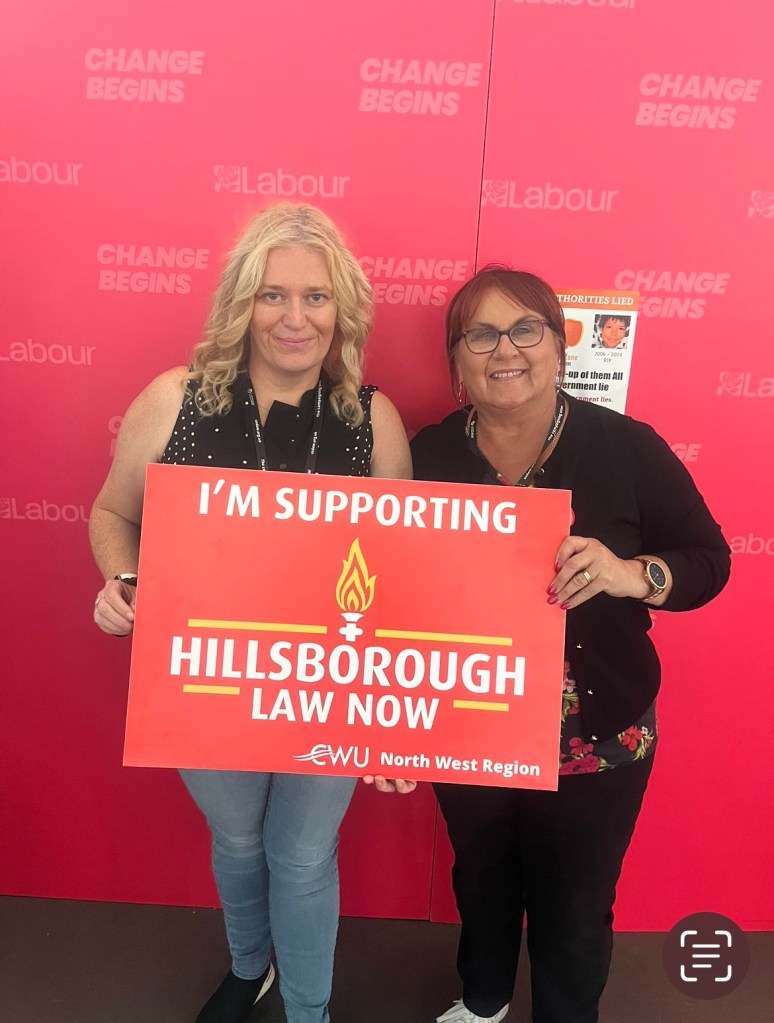
History shows why this matters. In 1973, Government officials were aware of the teragenocity of Valproate yet still decided to grant a full liscense, yet evidence was hidden, and pregnant women were not told. The documents we here at INFACT found at the National Archives prove this case. That deliberate concealment continued until official warnings were finally released only eight years ago. The Valproate Scandal is not an accident of science; it is a man-made national scandal, born of secrecy and denial. Had candour been a legal obligation, backed by real consequences, thousands of children could have been protected, and parents spared decades of pain. Embedding a genuine culture of truth-telling, supported by the Hillsborough Law, is essential if we are to prevent medical scandals from ever happening again.
The Yellow Card Scheme: Missed Warnings, Missed Chances
Another critical learning point discussed at the Congress and on Emma’s panel was the Yellow Card Scheme, the system for reporting suspected side effects of medicines to the MHRA. The Yellow card scheme was introduced in 1976 and still at present, reporting is voluntary for doctors, meaning we do not capture the full picture of medicine-related harm. For fourteen years we have called for Yellow Card reporting to be made mandatory, so that if a patient raises a concern with their GP, the doctor must report it.
In all that time there have been many scandals related to medicines and devicesThalidomide, Valproate, Contaminated Blood, DES Daughters, Mesh, Primodos (and these are the reported and acknowledged campaigns – there will be many more needing attention!)
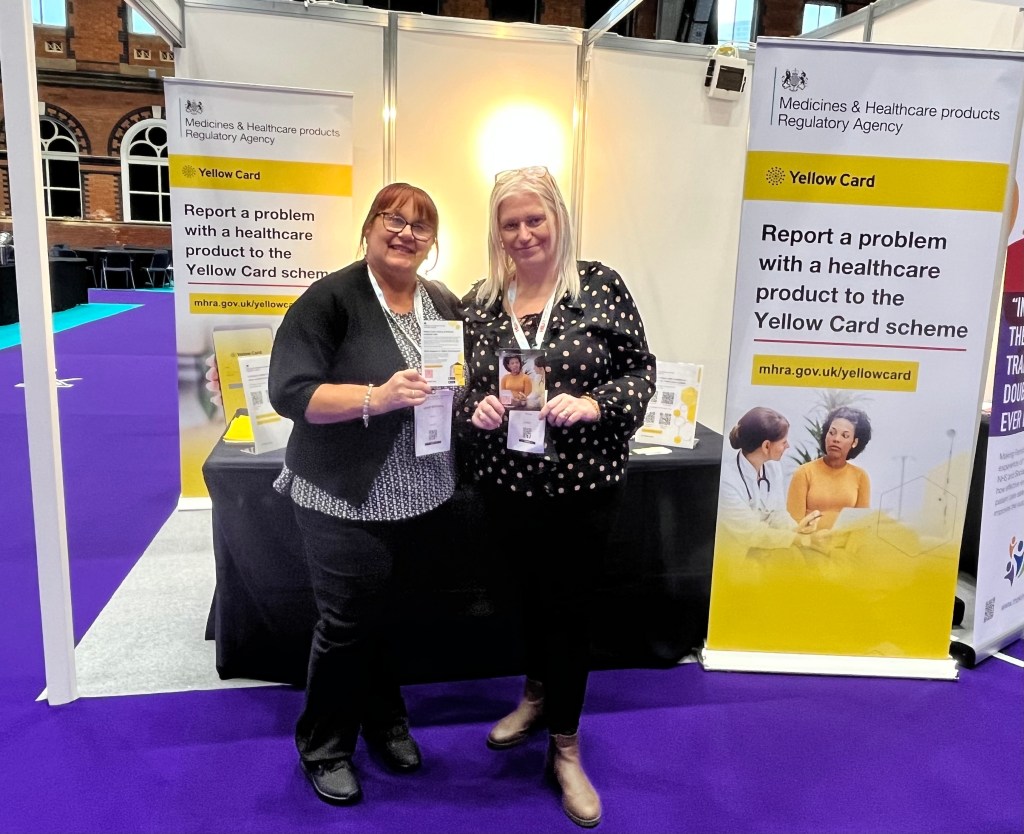
Had concerns about Valproate and the other medical scandals been systematically logged and analysed through a robust, mandatory Yellow Card process, the dangers might have been identified far earlier. This pattern repeats elsewhere: at the start of our campaign, we urged that Valproate warnings must be compulsory. We were told by a senior MHRA official, “That will never happen.” Instead, the Valproate Toolkit was introduced as optional guidance , and, unsurprisingly, women were not consistently warned. Only when the Pregnancy Prevention Programme made those warnings mandatory did things begin to change.
This is a clear example of why patient safety cannot be left to discretion or goodwill. Mandatory systems save lives; optional systems leave people exposed. When agencies resist evidence-based calls for reform, they risk condemning thousands to avoidable harm.
Children Harmed: A Living Reminder
Children harmed by Valproate, by faulty maternity care, or by medicines in pregnancy are living embodiments of what happens when safety fails. They are not statistics. They are our responsibility. Their voices and their existence demand change.
On this World Patient Safety Day, let’s move past all the empty slogans and instead insist on real change. Let’s build a health system that prioritises patients, listens deeply, acts decisively. Because safety is life. And when safety fails, lives are changed forever.
We would like to thank the whole team at HSJ Patient Safety Conference for their hard work in assembling such a fabulous conference
 INFACT