
Understanding the Impact of Sodium Valproate and Other Anti-Epileptic Drugs in Pregnancy
Fetal Valproate Spectrum Disorder (FVSD) and Fetal Anti-Convulsant Syndrome (FACS) are lifelong conditions caused by exposure to anti-epileptic medications, especially sodium valproate, during pregnancy. If you’ve recently discovered that your child may be affected, you’re not alone. At INFACT UK, we understand the confusion, heartbreak, and unanswered questions families face – and we’re here to help.
We provide trusted, evidence-based information for parents, carers, healthcare professionals, journalists, and policymakers. We are proud to lead the national conversation and campaign for justice and support.





Fetal Valproate Spectrum Disorder: What Families Need to Know
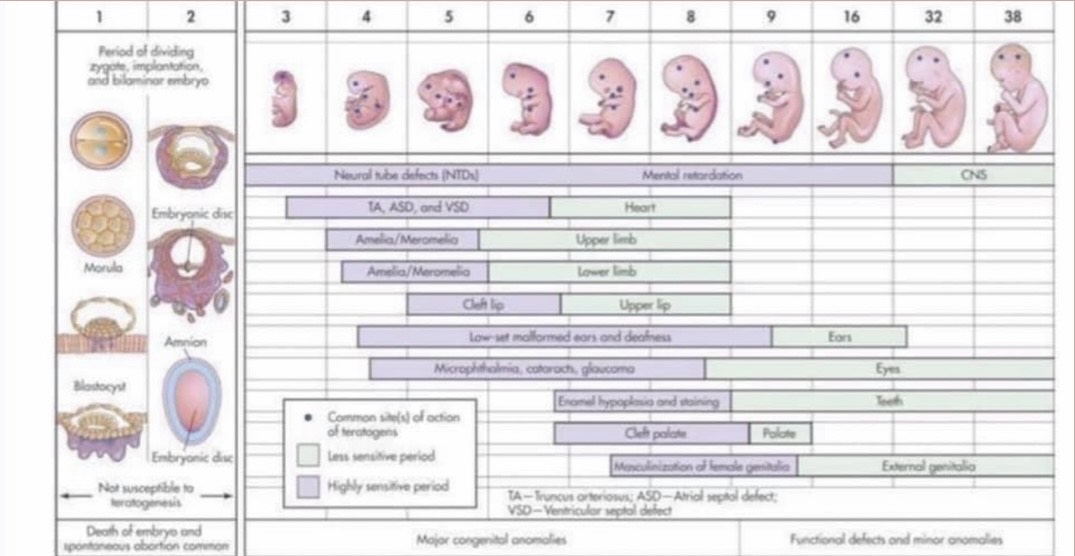
Valproate is one of the most widely studied anti-epileptic medications associated with serious risks. Children exposed to valproate in utero face a significantly higher chance of congenital malformations and neurodevelopmental disorders.


Key Facts About Valproate Risks During Pregnancy:
- Approximately 1 in 10 babies (10%) exposed to valproate are born with major congenital malformations. For comparison, the general population risk is about 2–3%.
- Taking folic acid supplements may reduce the risk of some neural tube defects but does not eliminate the increased risk caused by valproate.
- There is no safe dose of valproate during pregnancy; all doses have been linked to a higher risk of birth defects.
- Around 30–40% of children exposed to valproate in pregnancy experience developmental delays such as later speech or walking, lower intellectual abilities, and difficulties with language and memory.
- Studies show children exposed to valproate in utero score on average 7–10 IQ points lower than those exposed to other epilepsy medications.
- These children have a 3-fold increased risk of autism spectrum disorders and a 5-fold risk of childhood autism compared to the general population.
- They may also be at higher risk for attention deficit/hyperactivity disorder (ADHD).









Common Signs and Symptoms of Fetal Valproate Spectrum Disorder
Children affected may present with a variety of physical and developmental challenges, including but not limited to:
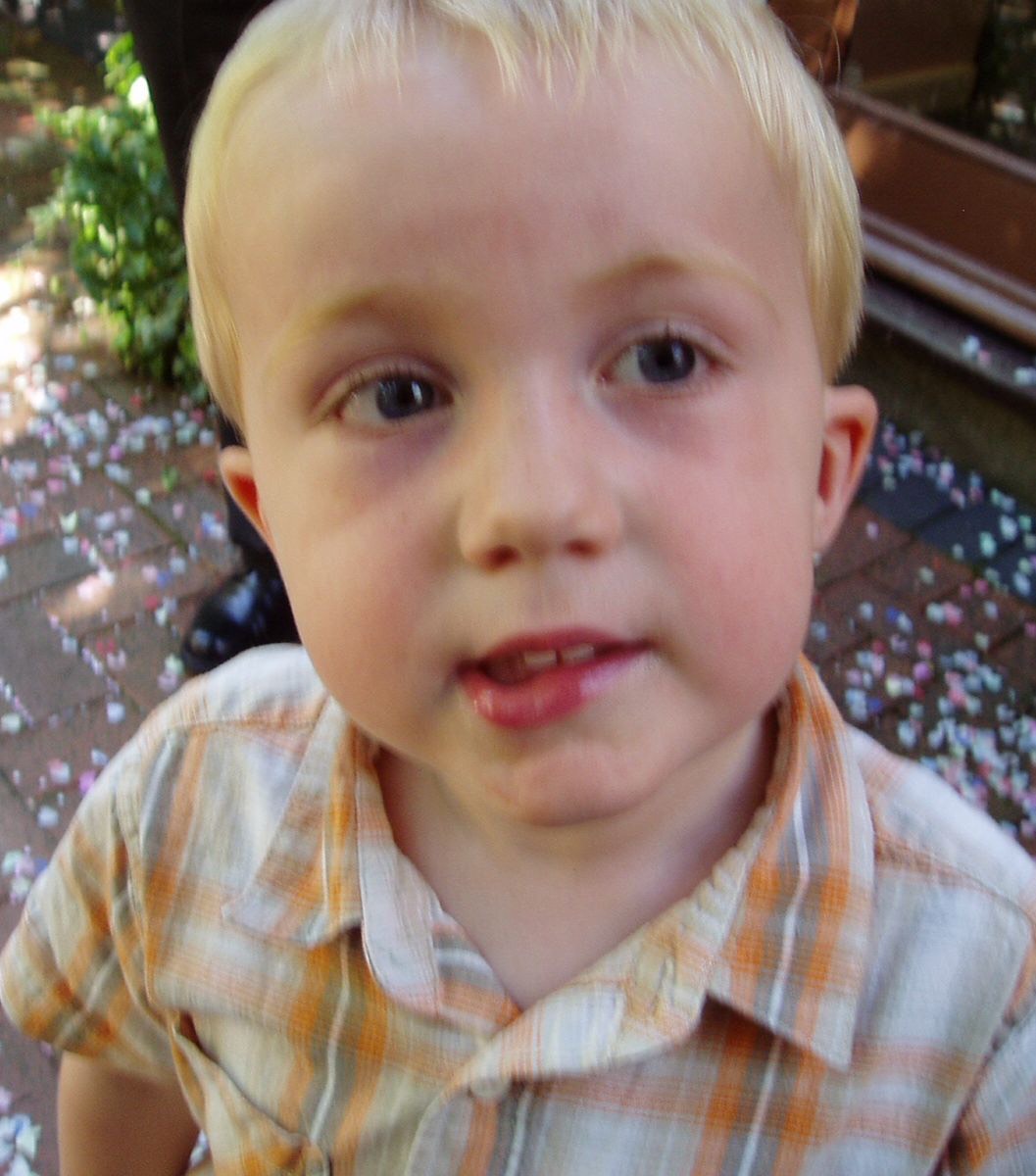
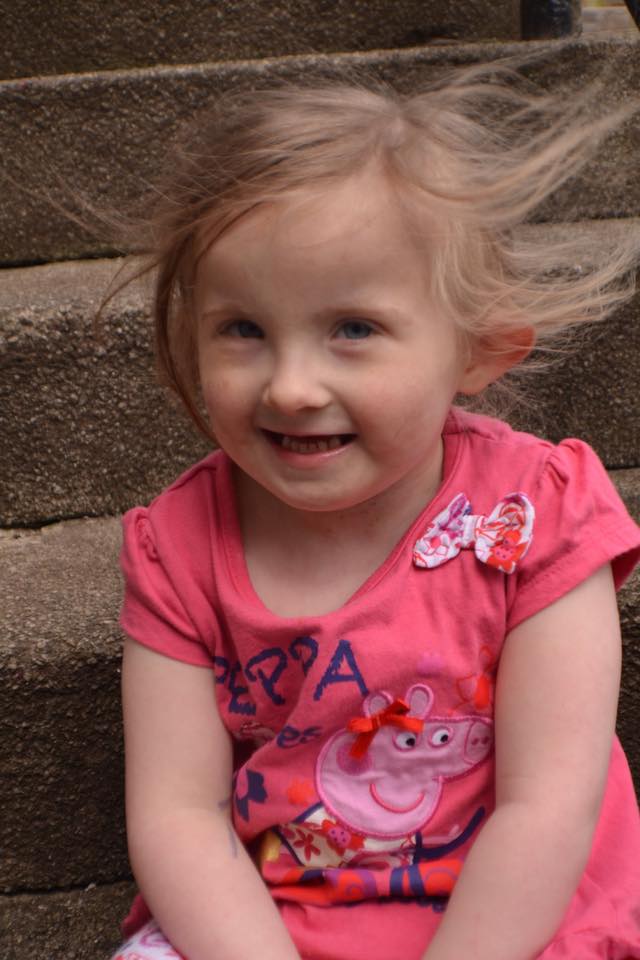
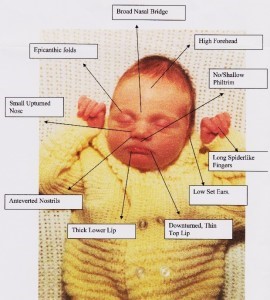
- Distinctive facial features (dysmorphic features)
- Congenital heart defects
- Spina bifida
- Limb abnormalities and joint hypermobility
- Visual impairments such as short-sightedness or strabismus (squints)
- Delays in reaching developmental milestones
- Difficulties with gross and fine motor skills
- Autism spectrum disorders, dyspraxia, ADHD
- Speech and language delays
- Sensory sensitivities (e.g., noise intolerance)
- Incontinence
- Asthma
- Fears or phobias (e.g., zoophobia)
Other developmental and physical conditions reported include:
- Hearing and vision impairments
- Low verbal IQ
- Hypotonia (low muscle tone)
- Inguinal hernia
- Genitourinary anomalies in boys (e.g., hypospadias, undescended testes)
- Gastroesophageal reflux
- Various malformations (kidney, heart, cleft lip/palate, limb deformities)





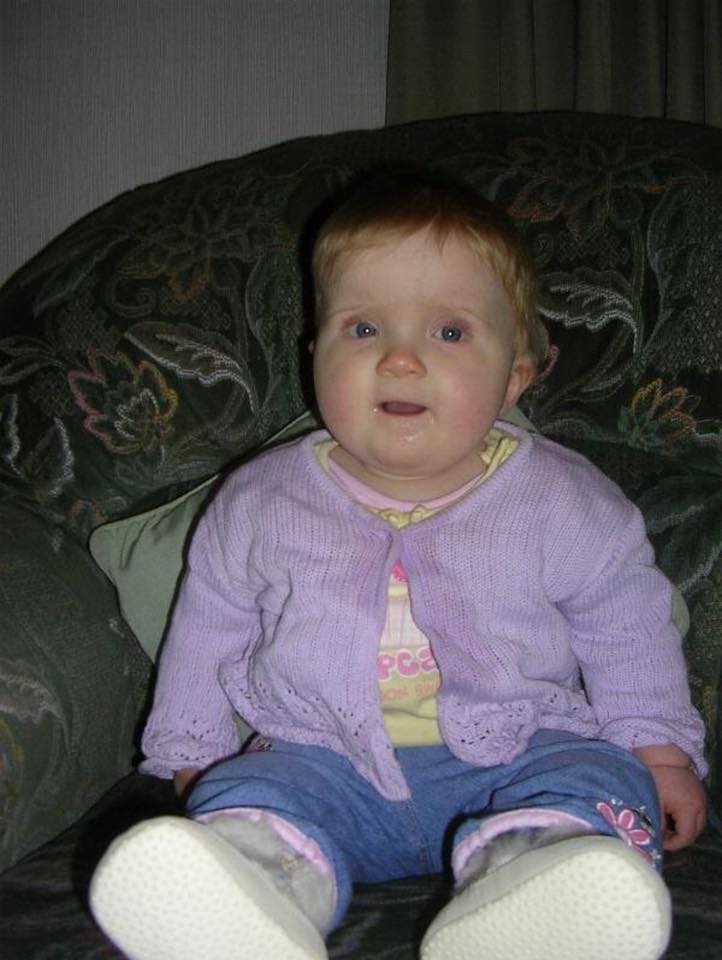
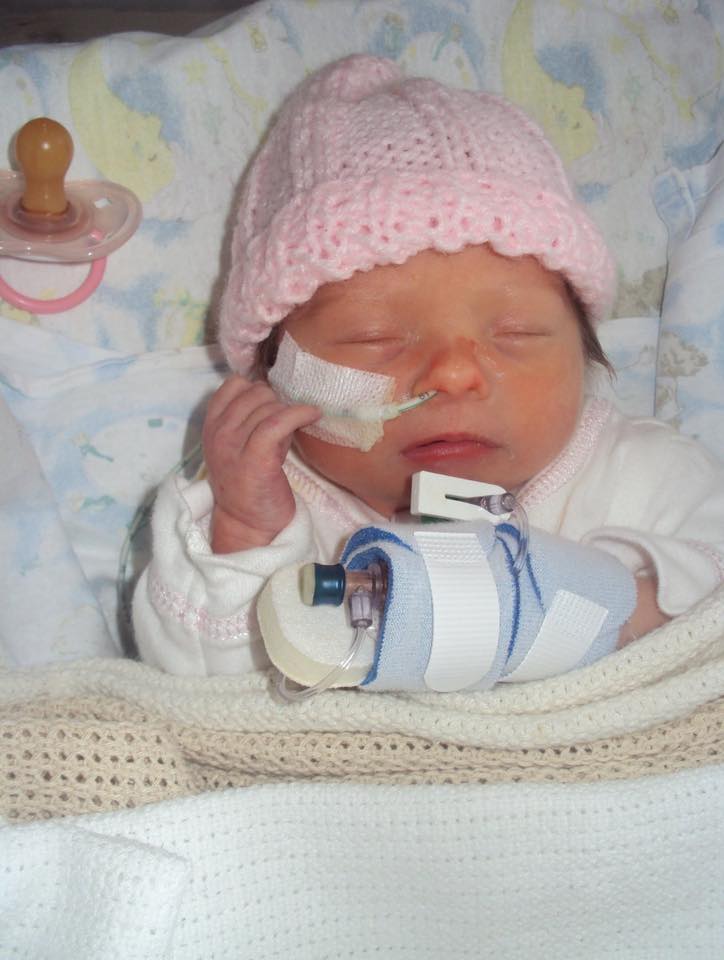
Fetal Anti-Convulsant Syndrome (FACS) is an umbrella term describing the range of effects on children exposed in the womb to certain epilepsy and mood-stabilizing medications. These medications can cross the placenta and impact the developing baby in different ways. The symptoms listed above for FVSD are very similar to FACS
Symptoms of FACS Syndrome are:
- Premature Birth
- Small fingernail
- Spina Bifida / Cerebral Palsy
- Limb defects
- Joint Laxity
- Characteristical facial features
- Delay in reaching milestones
- Gross and fine motor skills
- Autistic Spectrum Disorders
- Speech and Language Delay
- Attention and memory difficulty
- Vision problems
- Incontinence
- Inguinal Hernia
- Hypospadias




What Should You Do If You Suspect FVSD or FACS?
If you believe your child may be affected by FVSD or FACS please speak openly with your GP or healthcare provider. You can request a referral to a paediatrician or clinical geneticist for specialist assessment.
The Fetal Exposure to Medicines Service (FEMS) provides expert assessment, advice and care plans for people who are thought to have been affected by exposure to these medicines in the womb. The service is running a pilot until March 2026, funded by NHS England and provided by teams at Manchester University NHS Foundation Trust and Newcastle Upon Tyne Hospitals NHS Foundation Trust. Children or adults who live in the north of England, who have problems that could be from exposure to an antiseizure medicine in the womb, can be referred by their doctor. It is important to be aware that not all anti-seizure medicines are thought to cause problems for the baby when taken during pregnancy.
Not every child exposed to these medications will develop FVSD or FACS, but early recognition and support are vital.
IMPORTANT: Women should never stop taking anti-epileptic medication without consulting their doctor, as sudden cessation can pose serious risks to both mother and baby.
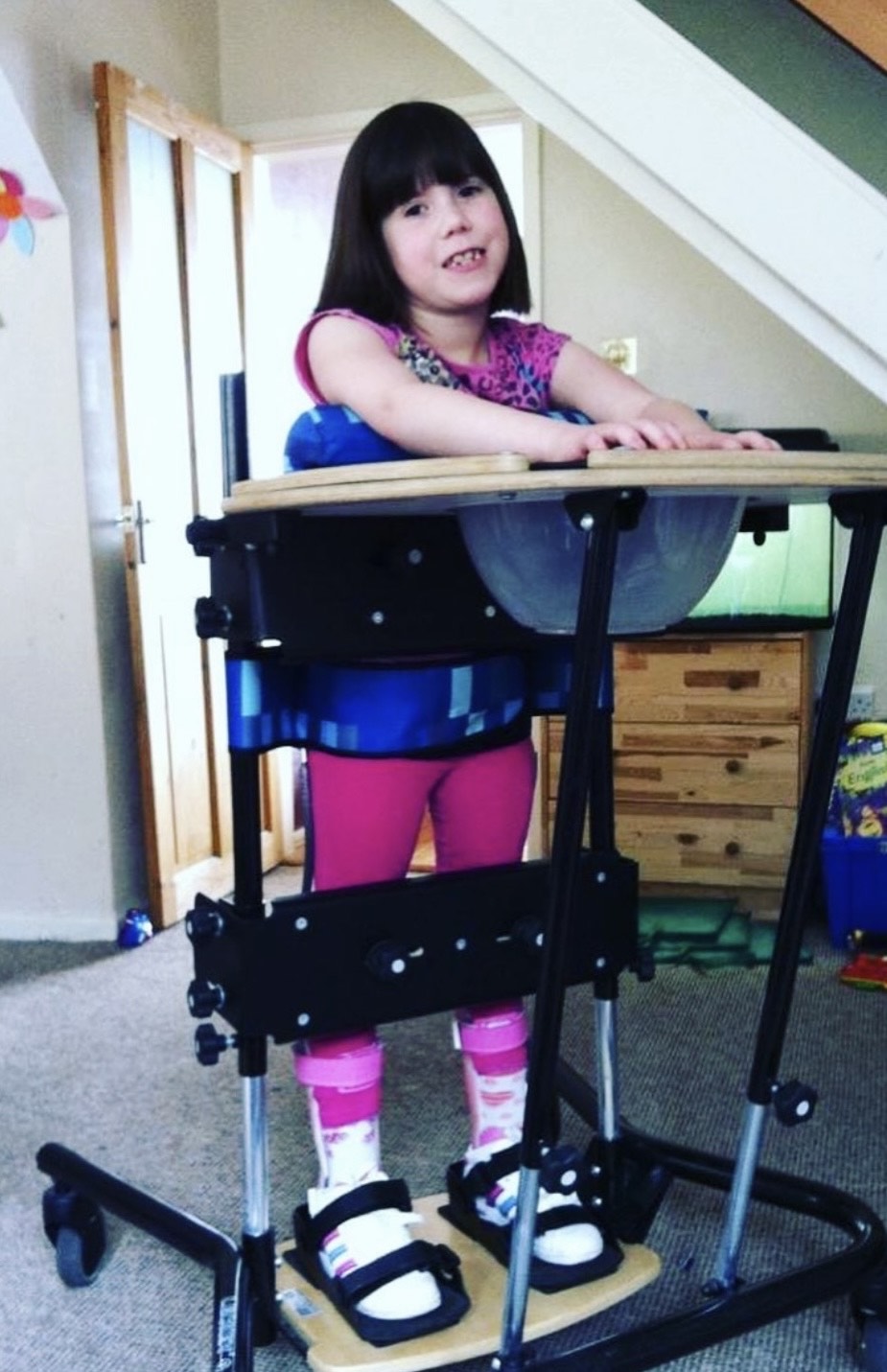





Which Medications Are Known to Be Teratogenic?
Some of the following anti-epileptic drugs have well-documented risks when taken during pregnancy.
| Acetazolamide | Everolimus | Piracetam |
| Brivaracetam | Fenfluramine | Pregabalin |
| Buccal midazolam | Gabapentin | Primidone |
| Cannabidiol | Lacosamide | Rufinamide |
| Carbamazepine | Lamotrigine | Stiripentol |
| Cenobamate | Levetiracetam | Tiagabine |
| Clobazam | Oxcarbazepine | Valproic acid |
| Clonazepam | Perampanel | Vigabatrin |
| Eslicarbazepine acetate | Phenobarbital | Zonisamide |
| Ethosuximide | Phenytoin |
These medications are prescribed for various conditions including:
- Epilepsy
- Bipolar Disorder
- Depression
- Chronic Pain
- Migraine
- Trigeminal Neuralgia
FVSD or FACS is believed to result from these medications passing through the placenta to the developing fetus.
For more in depth information on these medications please read here
At INFACT, we stand with families affected by Fetal Valproate Spectrum Disorder & Fetal Anti Convulsant Syndrome Our goal is to provide clear, compassionate, and accurate information to help you navigate this difficult journey, while advocating for safer prescribing practices and better support services.
For more information please contact us :
Email : Office.infactuk@gmail.com
National Helpline : 01253-799161
























Copyright Emma Murphy, Janet Williams – Independent Fetal Anti Convulsant Trust
 INFACT